

Helping Innovators Innovate.
Learn more about Products and Discoveries
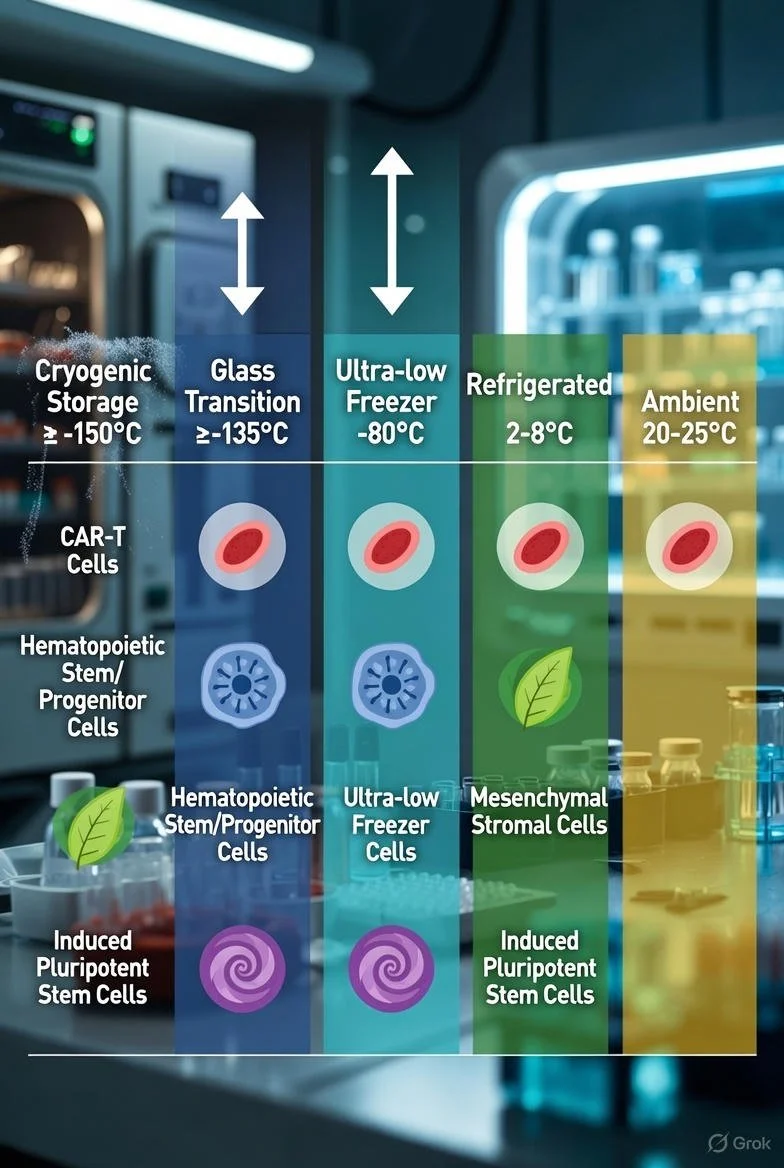
Storage Temperature Stability of Therapeutic Cell Types
Learn how storage temperature affects CAR-T, stem cells, MSCs, and iPSCs, including cryogenic thresholds, excursions, and quality risks.

Breakthrough Technology SAAmplify™ αSYN: A New Era in Parkinson's & Lewy Body Diagnosis
The first clinically available seed-amplification assay that detects misfolded α-synuclein in cerebrospinal fluid—providing definitive biological evidence during a patient's lifetime.

Long-Term Biological Sample Storage: Comprehensive Best Practices Guide
Comprehensive guide to long-term biological sample storage. Learn best practices for tissue, blood, cell, and DNA/RNA preservation at optimal temperatures.

Automation in Biobanking: How Robotics and AI Are Transforming Modern Biostorage
Learn how automated biobanking systems, robotic freezers, and AI-driven workflows are redefining biospecimen management and modern biostorage solutions.

Optimizing Biobanking Practices: How to Reduce Freeze-Thaw Damage and Protect Biospecimen Integrity
Learn how to prevent freeze-thaw damage in biobanking and biorepository operations. Explore NCI and ISBER evidence-based best practices for biospecimen handling, freezer validation, and biostorage monitoring to protect sample integrity and regulatory compliance.

Spinning for Answers: What Ultracentrifugation Reveals About Antibodies in Serum
Fluorescence ultracentrifugation reveals how antibodies interact in serum, and Golden West’s Human Gamma Globulin Powder offers a reliable tool to replicate these conditions.
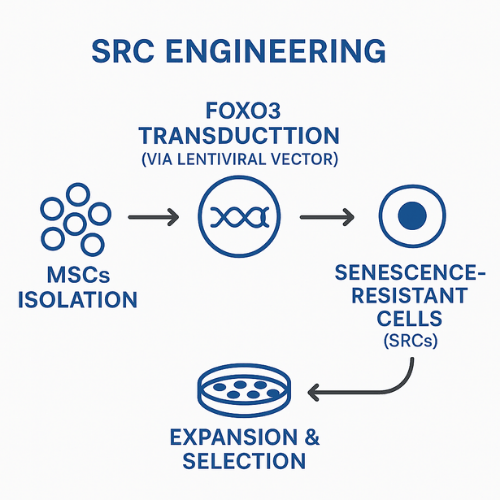
Engineering Senescence-Resistant Stem Cells to Reverse Aging in Primates
Discover how senescence-resistant human mesenchymal progenitor cells (SRCs), engineered to overexpress the longevity factor FOXO3, safely reversed aging markers across multiple tissues in aged macaques—offering a groundbreaking, multi‐system rejuvenation strategy for primates.

Decoding Receptor Signaling: How a Precise Hormone Trigger Helped Map the Hidden Life of LHR
This study used APEX2 proximity labeling and high-purity luteinizing hormone to map the dynamic interactome of the LHR receptor—shedding light on GPCR signaling, trafficking, and key regulatory proteins RAP2B and RAB38 with nanometer precision.

The Baby, the Base Editor, and the Breakthrough: How Scientists Fixed a Gene in Just Six Months
Discover how a custom CRISPR base-editing therapy saved an infant with a rare genetic disorder—and why affordable, accessible genetic testing is now more critical than ever.
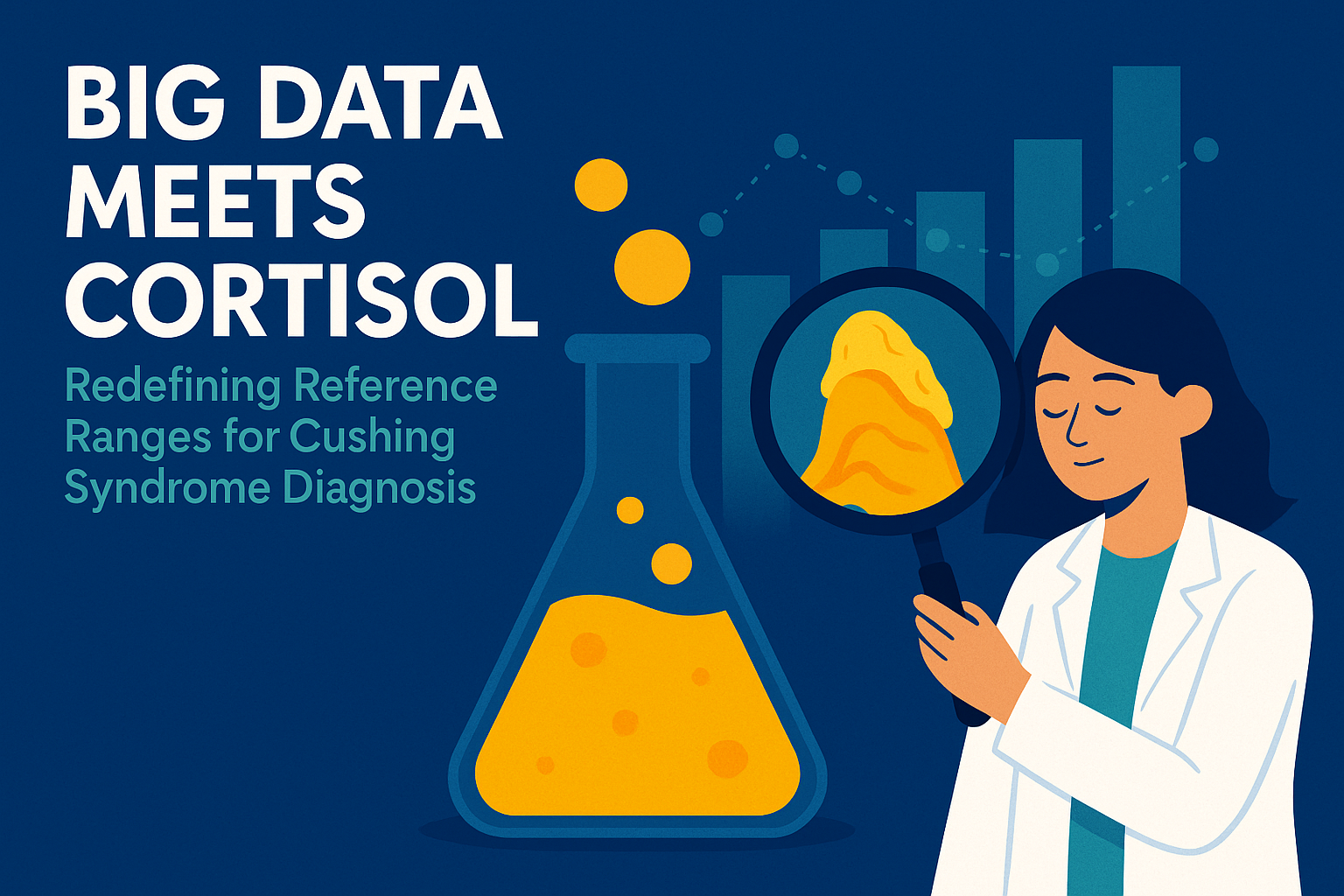
🔬Big Data Meets Cortisol: Redefining Reference Ranges for Cushing Syndrome Diagnosis
A big data study redefines 24-h urine cortisol reference ranges using LC-MS/MS—powered by MSG5000 matrix to ensure clean, accurate hormone quantification.

🧪 Shorter, Smarter, Just as Strong? Rethinking Venetoclax Schedules in AML
In the treatment of acute myeloid leukemia (AML), particularly for patients who cannot undergo intensive chemotherapy, emerging evidence is reshaping traditional expectations.

🧬 The Microbiome's New Superpower: Making Vitamin A Work Harder
Vitamin A metabolism has long been seen as a job for the body’s own enzymes, primarily occurring in the liver and epithelial cells. But this study flips the script.

Unveiling the Impact of Synthetic H4CBD on Metabolic Syndrome in OLETF Rats
The primary aim of the study was to evaluate the efficacy of H4CBD on glucose intolerance and insulin resistance in OLETF rats, an established animal model for human metabolic syndrome —highlighting the utility of the MSG3200 human serum product along the way.

Research Use Cases for Charcoal-Stripped Human Serum
The importance of charcoal-stripped human serum in the study is particularly in the preparation of calibration standards and quality control samples for estrogen metabolite assays. The primary purpose of charcoal stripping is to eliminate endogenous hormones from the serum sample, creating a hormone-depleted medium for subsequent analyses.

Research Use Cases for Mass Spect Products: MSG1000
Mass Spect Gold Human Serum Ultra-Low Vitamin D (MSG1000) product played a crucial role in the researchers' objective of developing a sensitive and cost-effective method for quantifying 1,25(OH)2D3 in human plasma. Here's how the MSG1000 was used to achieve their goal:

Research Use Cases for Mass Spect Products: MSG4000
The MSG4000 product, a vitamin D–depleted human serum matrix, played a crucial role in the study. It served as a matrix for testing the antibody's extraction efficiency (analytical recovery) for different vitamin D metabolites. By adding each metabolite to MSG4000, extracting it with the immunoaffinity reagent, and then quantifying it with LC-MS/MS, the researchers determined how well the antibody captured each metabolite.

Hormone-Free Human Serum
Hormone-free human serum serves as a baseline, enabling researchers to isolate the specific effects of their experimental variables with greater precision. By eliminating the confounding influences of hormones, scientists can investigate cellular responses, evaluate drug efficacy, and gain valuable insights into various biological pathways.
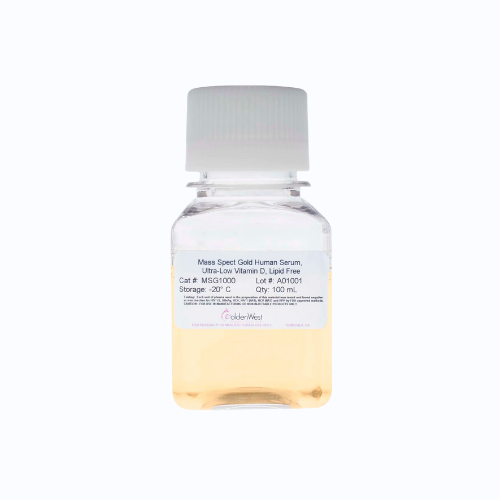
The Practical Applications of Vitamin D Free Human Serum in Diagnostics
Utilizing Vitamin D free human serum improves the performance of diagnostic assays. It enhances the accuracy and sensitivity of the tests by reducing interference and minimizing false-positive/negative results caused by endogenous Vitamin D present in conventional serum samples. This leads to improved assay precision, reproducibility, and more reliable clinical interpretations.

TSH Free Human Serum: What It Is and Its Importance in Clinical Diagnostics
TSH testing is a common diagnostic tool used in the evaluation of thyroid function. Traditional TSH testing measures the amount of TSH in the blood, but more recently, TSH free human serum has become a valuable tool in clinical diagnostics.

Did you know plants can cry?
A series of studies have shown that when plants are under stress, they emit ultrasonic vibrations that can be heard by some animals, opening up a new avenue of research into the communication between plants and animals.